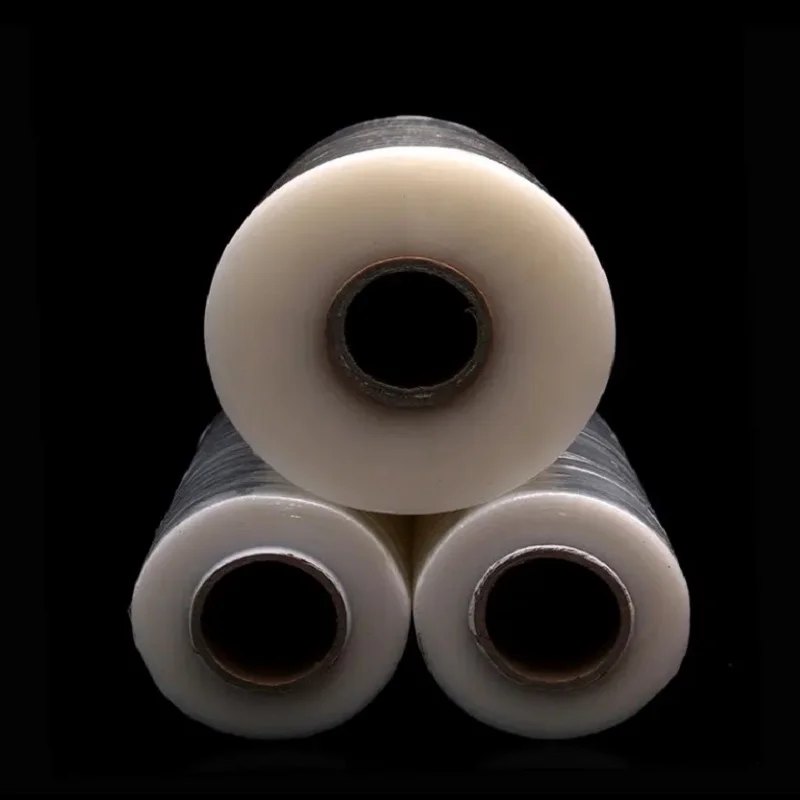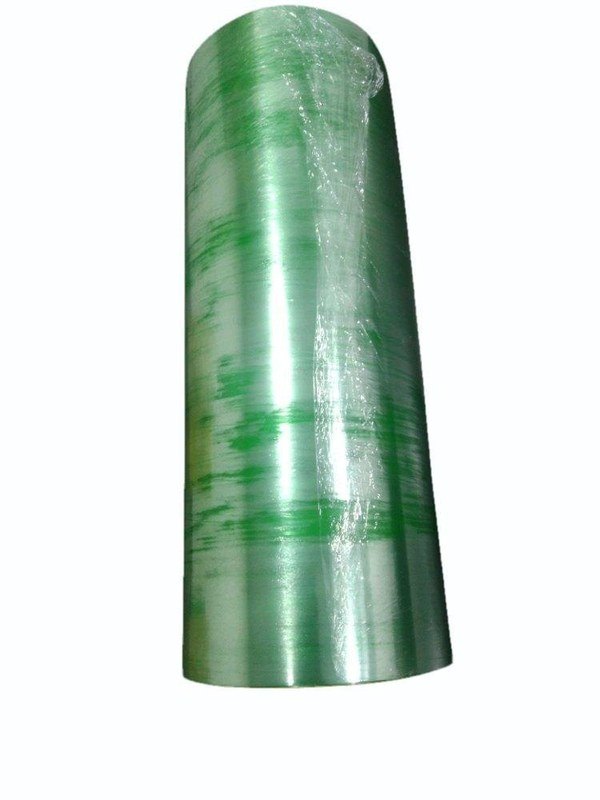
20 microns PBAT biodegradable compostable film for making bagsView grade →

Product Summary
A single-polymer PBAT film with no blend dilution, offering maximum elongation and softness for applications that need drape and puncture resistance. Its flexibility makes it a base grade for converters serving several biodegradable film formats.
This grade belongs to the Carrier & Retail Bags family, uses a Blown film extrusion route, and is supplied as Blown film roll stock for converters serving biodegradable packaging and agricultural markets.
Carrier bags, garbage bags, mulch film and general flexible packaging.
Enquire About This GradeSpecification
The table separates format information from resin-level data. Format fields describe how this grade is supplied, while resin values describe the PBAT base where the grade is a pure PBAT formulation.
| Model | Pure PBAT blown film grade (carrier bags, garbage bags, mulch film) |
| Film Family | Carrier & Retail Bags |
| Process Route | Blown film extrusion |
| Supply Format | Blown film roll stock |
| Material Base | PBAT |
| CAS Number | 55231-08-8 |
| Density | 1.25 g/cm³ (ISO 1183) |
| Melting Point | 110-120 °C (ISO 11357) |
| Melt Flow Rate | 2.5-4.5 g/10 min at 190 °C, 2.16 kg (ISO 1133) |
| Tensile Strength | ≥25 MPa (ISO 527) |
| Elongation at Break | ≥400% (ISO 527) |

What Sets It Apart
A single-polymer PBAT film with no blend dilution, offering maximum elongation and softness for applications that need drape and puncture resistance. Its flexibility makes it a base grade for converters serving several biodegradable film formats.
That behavior is achieved through the Blown film extrusion route and the PBAT material base, without changing the compostable character of the finished film.
It makes this grade a practical choice for Carrier bags, garbage bags, mulch film and general flexible packaging.
Processing Advice
The following guidance gives a starting point for line setup. Adjust settings against your own equipment and measured film properties.
Applications
Carrier bags, garbage bags, mulch film and general flexible packaging.
Its balance of PBAT and process behaviour makes it suitable where biodegradable end of life matters as much as line performance.
For a broader view, compare this grade against the other 4 options in the same family on the applications page.
View All ApplicationsPackaging & Delivery
Film is supplied in roll form with the grade name, gauge, width and batch identity marked on each roll. Rolls are protected during transport so the film surface arrives clean and ready for converting.
Related Grades
These grades share the same film family or process route. Review them side by side when the exact balance of stiffness, clarity or gauge is still open.
Related Reading
Each grade is supported by three short articles covering processing, material behaviour and application fit. Follow the links below for the full text.