Knowledge
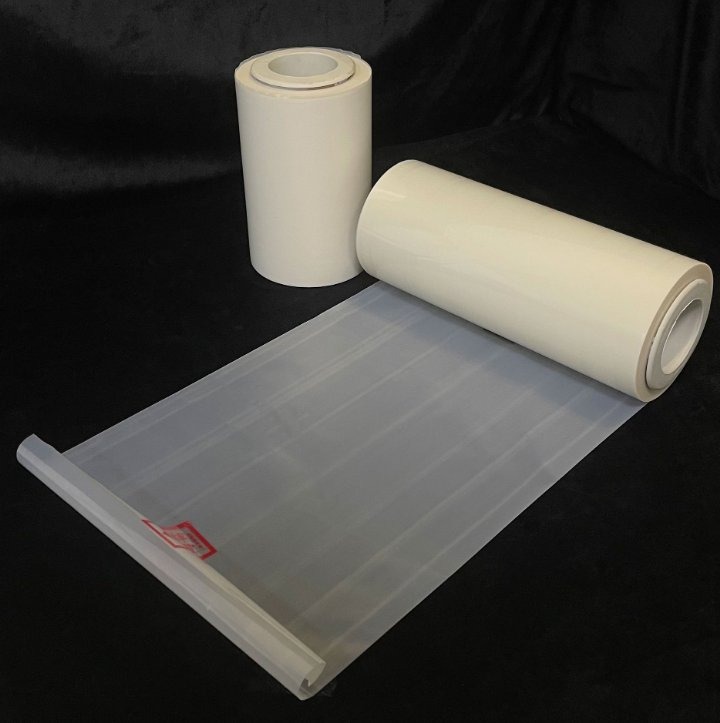
What PBAT Stands For
PBAT is short for poly(butylene adipate-co-terephthalate), an aliphatic-aromatic copolyester supplied as pellets and converted into film. It is identified by CAS number 55231-08-8 and is one of the most widely used resin families for compostable flexible packaging.
The name describes the structure. Two acid units, adipic acid and terephthalic acid, are linked with butanediol. The proportion of each acid unit is chosen to balance softness, strength and the rate at which the finished film breaks down.
Why the Chemistry Suits Film
The adipate segments are flexible and lower the glass transition temperature, which gives PBAT film its soft hand and high elongation. The terephthalate segments contribute tensile strength and heat resistance, so the film can be drawn down to thin gauges without losing integrity.
Because it is a thermoplastic, PBAT can be re-melted and processed on conventional blown film, cast film and extrusion coating lines. This is the practical reason a single resin family supports such a broad product range.
The Film Formats PBAT Supports
Blown film is the most common route for carrier bags, produce bags and agricultural mulch. Cast film is used for cling film, food wrap and lamination webs. Stretch grades are formulated for pallet wrap, and melt-blown PBAT produces fine-fibre nonwovens for filtration and hygiene.
PBAT and PLA: How They Differ
PLA is rigid, transparent and derived from fermented plant sugars, but it is brittle and generally needs industrial composting conditions. PBAT is flexible, tough and tolerant of higher moisture during processing. Blending the two raises stiffness and printability while keeping the film compostable.
A specification should always state the resin base. A pure PBAT film behaves differently from a PBAT and PLA blend or a starch-filled compound, especially in sealing window and storage stability.
Where PBAT Film Is Used
Retail and carrier bags, express and e-commerce mailers, food wrap and cling film, pallet stretch wrap, agricultural mulch, lamination and paper coating, and melt-blown nonwovens all use PBAT based film today.
Each application needs a different balance of gauge, tack, clarity and end-of-life route, which is why the range is divided into dedicated film families rather than a single general-purpose stock.
Reading a PBAT Film Grade
A useful grade description names the resin base, the gauge, the process route and the format. Those four items tell a converter whether the film fits an existing line before a sample is requested. Detailed processing guidance and application limits should be confirmed on the individual grade page.
Continue Reading
For a full material overview, open the What is PBAT guide. To narrow a specification, compare the 25 catalogued grades on the comparison page.
Compare All Grades