
Anhui Liwei Chemical Co., Limited.
A 25-grade range of PBAT and PLA biodegradable film for bags, stretch wrap, cling film, mulch and nonwovens, supplied by a dedicated manufacturer.
Explore the Range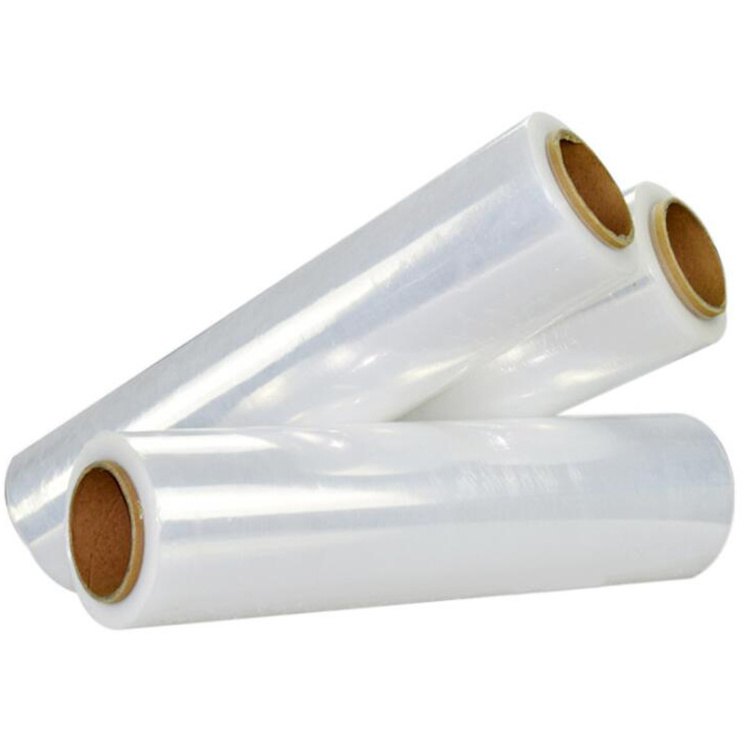
About the Company
Anhui Liwei Chemical Co., Limited. manufactures PBAT based biodegradable film grades for converters in packaging, agriculture and nonwoven applications. The portfolio covers 25 catalogued grades grouped into 9 film families, so buyers can match film structure to the job rather than adapting a single stock to every line.
Our technical work centres on the variables that decide whether a compostable film runs well: melt behaviour, gauge control, seal window and end-of-life performance. Each grade is described with the process settings and application limits that matter on a production line.
Quality is handled as a specification discipline. Film is supplied in roll form with grade, gauge, width and batch identity clearly marked, and handling guidance travels with every shipment.
Product Overview
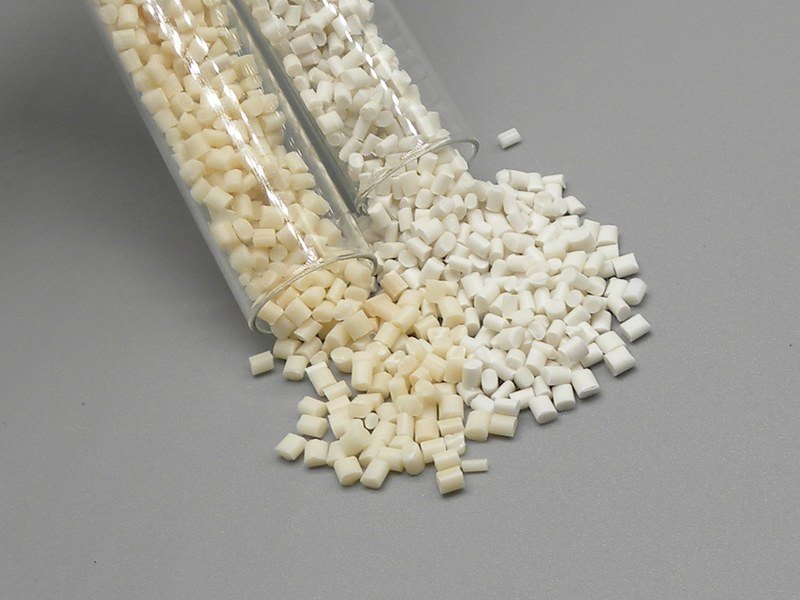
PBAT is an aliphatic-aromatic copolyester that combines the flexibility of a soft polymer with biodegradability under composting conditions. In film form it can be blown, cast, stretched or melt-blown, which is why a single resin family supports such a broad product range.
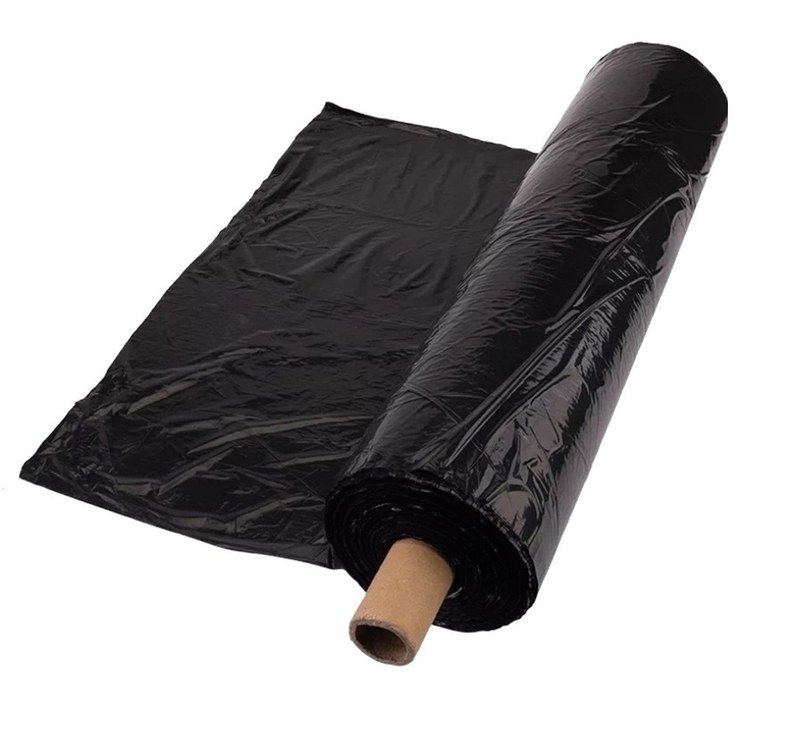
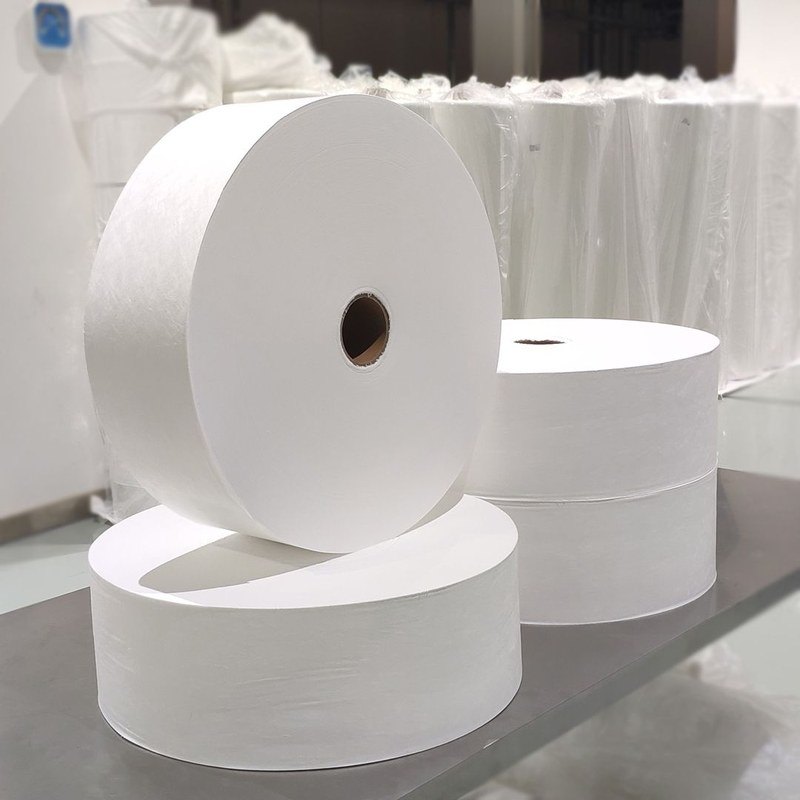
Blending PBAT with PLA raises stiffness and printability, while starch-filled versions reduce the fossil share of the finished roll. Our grades span transparent high-strength film, opaque white lamination web, perforated cling film and black agricultural mulch.
Every grade is presented with its process route and the formats it suits, so converters can shortlist quickly and move to sample evaluation with a clear specification in hand.
Compare All GradesFull Grade Range
The range is organised below by film family. Each card links to a dedicated grade page with specification details, processing advice, application notes and related technical reading. Use the comparison page to review the full set side by side.
Material Benchmark
These figures describe the PBAT resin used across the film range and are useful when setting an initial processing window. Test methods are shown alongside each value so specifications can be compared on the same basis.
Applications
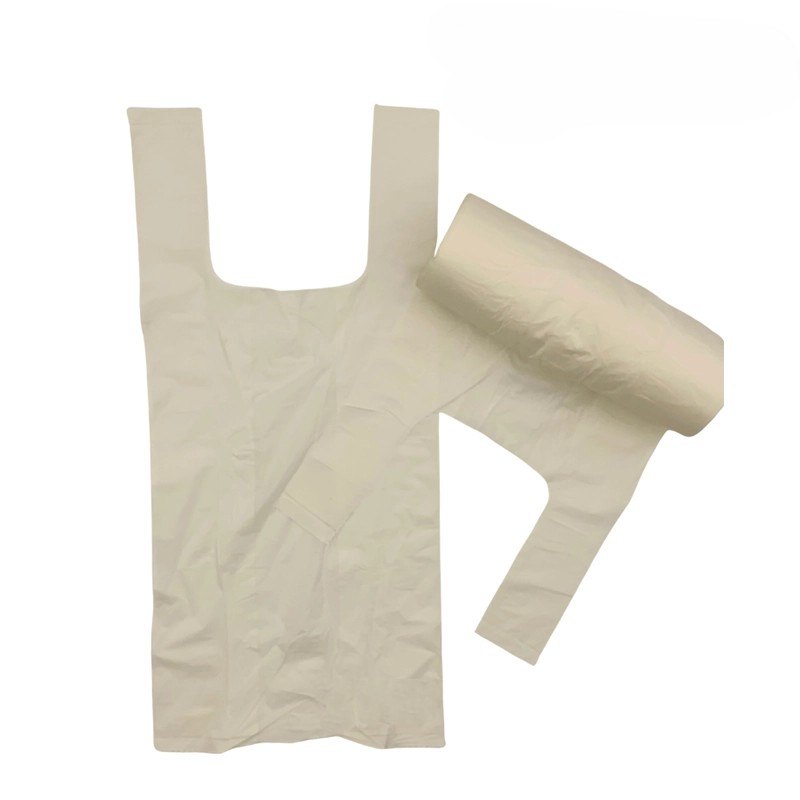
Biodegradable film is now specified across retail, food service, logistics and agriculture. Carrier bags and produce bags use thin blown film for strength at low gauge, while express packaging relies on print clarity and a dependable seal.
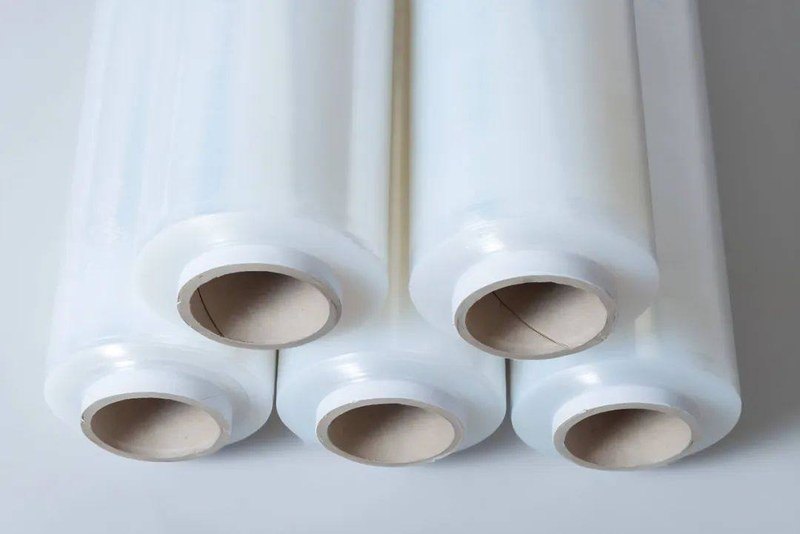
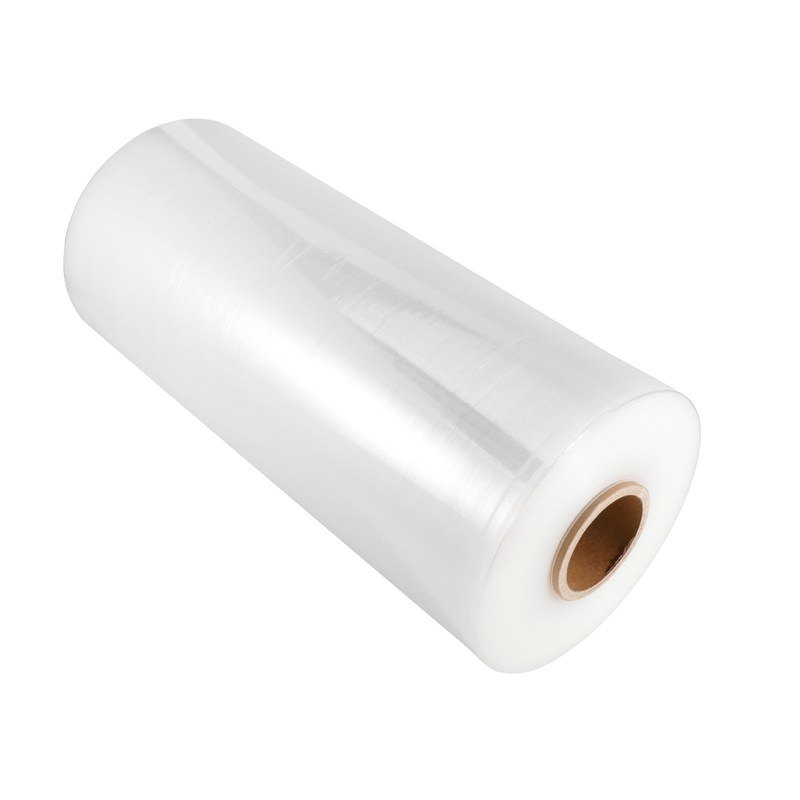
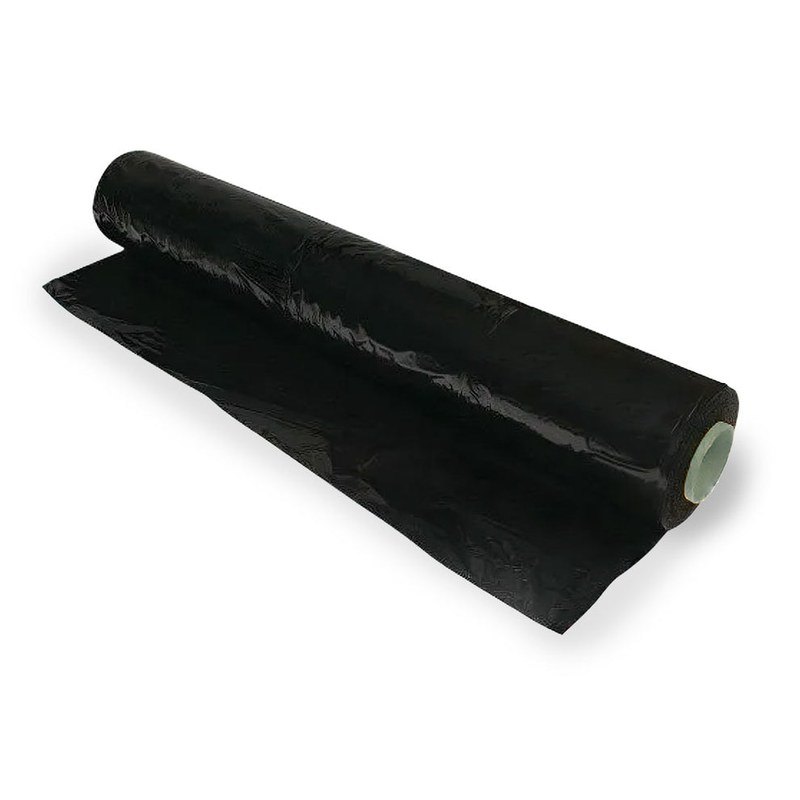
In the field, mulch film suppresses weeds and conserves water, then breaks down in place after harvest so no retrieval pass is required. Stretch film protects pallet loads during handling, and cling film keeps fresh products visible at the point of sale.
Each application places different demands on gauge, tack and stiffness, which is why the range is split into dedicated families rather than a single general film.
See ApplicationsWhy PBAT
PBAT film addresses the end-of-life problem at the material level. The points below describe what the resin and the finished film bring to a packaging or agricultural program.
PBAT breaks down under composting conditions through its ester linkages, so the whole film can enter an organic-waste route instead of a mixed plastic stream.
High tensile strength in the stretch grades allows fewer wraps per pallet, reducing film consumption while holding the load securely through handling.
Agricultural grades degrade in soil after the growing season, removing the labour and cost of collecting and disposing of conventional plastic mulch.
How We Work
A predictable film starts with a controlled process. These four steps describe the route from raw material selection to the roll that arrives at your converting line.
Choose PBAT, a PBAT and PLA blend, or a starch-filled compound according to stiffness and end-of-life needs.
Blow, cast or melt-blow the compound under a temperature profile tuned to protect the polymer phase.
Bag making, thermoforming, lamination or pallet wrapping on equipment already installed in your facility.
Collect through the appropriate composting or soil route and close the loop on the packaging cycle.
Technical Support
Selecting a biodegradable film means balancing gauge, seal behaviour, clarity and the environment in which the film will break down. Our technical notes cover each of those factors in plain language, with the process variables that converters can actually control.
The news center carries three lines of reading: Technical articles on processing, Knowledge articles on material behaviour and Commercial articles on application fit. Each article links back to the grade it discusses.
Start with the grade pages, then use the comparison table to narrow the shortlist before requesting a sample evaluation.
Visit the News CenterLatest Reading
Short, practical articles covering processing windows, compostability fundamentals and the commercial role of biodegradable film across packaging and agriculture.